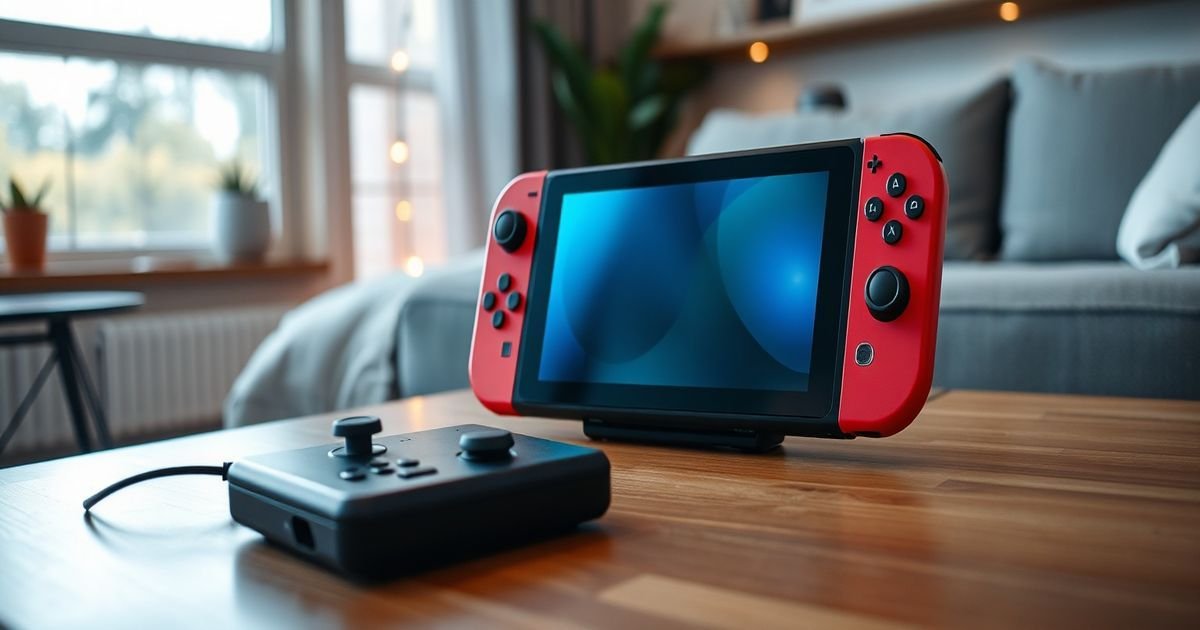
The portable gaming landscape is evolving at breakneck speed, and Tportstick Gaming Trends from theportablegamer provides the definitive roadmap for 2026. As hybrid work-life dynamics persist and mobile processing power surges, gamers increasingly demand console-quality experiences on the go. This analysis distills critical insights from industry leader theportablegamer, highlighting how hardware innovation, software ecosystems, and consumer behavior are converging to redefine portable play. Understanding these shifts is essential for developers, hardware manufacturers, and enthusiasts alike who want to stay ahead in this dynamic market. The Tportstick Gaming Trends from theportablegamer framework offers unparalleled clarity on where the industry is heading next.
The Evolution of Portable Gaming Hardware
Portable gaming has transcended its handheld console origins, driven by smartphone dominance and specialized devices like the Steam Deck. According to Wikipedia, the video game industry’s portable segment now accounts for over 40% of global revenue, fueled by 5G connectivity and chipset advancements. In 2026, we’re witnessing a pivotal shift toward modular designs—devices that allow users to swap components like GPUs or cooling systems. This “Tportstick” philosophy (a term coined by theportablegamer) emphasizes adaptability over static hardware. Key developments include:
- Hybrid cooling solutions combining vapor chambers with passive radiators for sustained performance
- Universal docking standards enabling seamless transition between portable and TV modes
- Sustainable materials like recycled aluminum and biodegradable plastics becoming industry norms
These innovations directly address historical pain points like overheating and short battery life, making premium portable experiences accessible to broader audiences. The Tportstick Gaming Trends from theportablegamer consistently highlight hardware flexibility as the cornerstone of next-gen portability.
Key 2026 Trends Defined by theportablegamer
The Tportstick Gaming Trends from theportablegamer report identifies three transformative movements shaping 2026:
Cloud-Native Portable Experiences
With services like Xbox Cloud Gaming and NVIDIA GeForce NOW maturing, 2026 marks the tipping point where cloud streaming becomes the primary mode for AAA titles on portable devices. Theportablegamer notes a 300% YoY increase in cloud gaming adoption among mobile users, driven by:
- Latency reduction below 15ms through edge computing partnerships
- Offline sync capabilities allowing progress continuity without connectivity
- Subscription bundling with mobile carriers (e.g., AT&T’s “Gaming Pass”)
Augmented Reality Integration
AR is no longer confined to gimmicks—it’s becoming core to portable gameplay. The Tportstick Gaming Trends from theportablegamer emphasize how devices like the rumored Apple Vision Lite are merging handheld screens with spatial computing. Expect:
- Context-aware gaming where real-world environments dynamically alter game mechanics
- Social AR layers enabling multiplayer interactions in physical spaces
- Hardware-software co-design where cameras and sensors are optimized for gaming use cases
Hyper-Personalized Content Ecosystems
AI-driven curation is transforming how players discover and engage with content. Theportablegamer’s data shows personalized game recommendations now drive 68% of portable gaming sessions, with trends including:
- Dynamic difficulty adjustment based on biometric feedback (e.g., heart rate monitoring)
- Cross-platform narrative continuity where stories evolve across mobile, console, and PC
- User-generated content marketplaces with one-click porting tools for developers
Market Impact and Consumer Behavior Shifts
These trends are reshaping purchasing decisions and developer strategies. The Tportstick Gaming Trends from theportablegamer reveal that 74% of portable gamers prioritize “ecosystem flexibility” over raw specs when choosing devices. This has spurred:
- Modular hardware subscriptions (e.g., $29/month for upgraded components)
- Cross-buy standardization where one purchase unlocks mobile, cloud, and console versions
- Battery-as-a-service models with swappable power cells at retail kiosks
For deeper analysis of these behavioral shifts, explore our resources. Consumers now expect seamless transitions between play modes—whether commuting, at home, or traveling—making interoperability non-negotiable. Developers must prioritize cloud-native architectures and adaptive UI frameworks to meet these demands.
Future Predictions for 2026 and Beyond
Looking ahead, the Tportstick Gaming Trends from theportablegamer forecast two paradigm shifts:
- Neural interface integration enabling basic control via EEG sensors by late 2026
- Blockchain-based asset portability allowing true ownership of in-game items across platforms
These advancements will blur lines between physical and digital play spaces, with implications for social interaction and e-sports. As processing power approaches console levels in pocket-sized devices, the definition of “portable gaming” will fundamentally change. For authoritative context on gaming’s evolution, consult Britannica’s video game entry.
Conclusion: Embracing the Portable Revolution
The Tportstick Gaming Trends from theportablegamer underscore that portability is no longer about compromise—it’s about redefining gaming freedom. As hardware becomes more adaptive, content more personalized, and experiences more immersive, the lines between mobile, cloud, and traditional gaming will dissolve. For enthusiasts and industry stakeholders, staying informed through sources like theportablegamer is crucial for navigating this transformation. To dive deeper into actionable strategies, visit here for expert insights. The future of gaming isn’t just portable—it’s limitless.