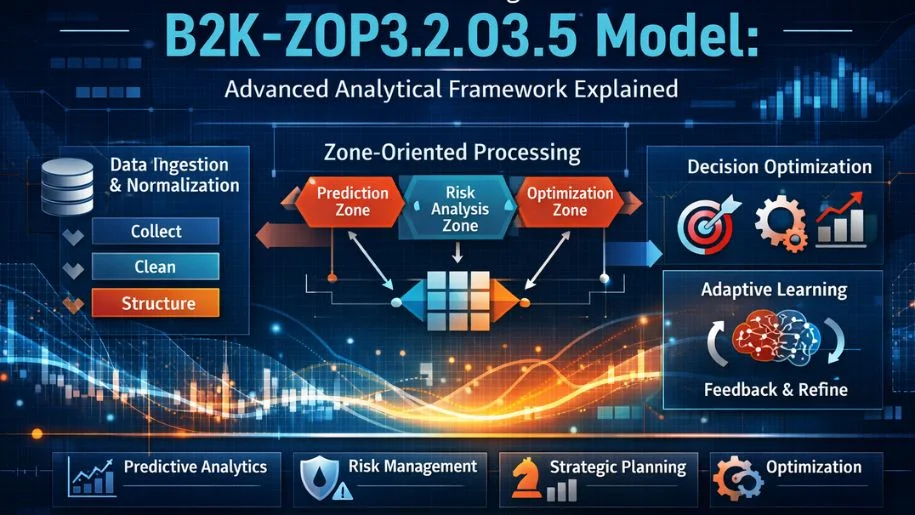
The B2K-ZOP3.2.03.5 model represents a specialized industrial automation component designed for precision control in demanding manufacturing environments. As a third-generation operational processor module, it serves as the computational backbone for complex machinery and process control systems. Understanding what is b2k-zop3.2.03.5 model is crucial for engineers and procurement teams working with modern production lines, where reliability and real-time processing capabilities directly impact operational efficiency. This model integrates advanced signal processing with robust communication protocols, making it indispensable in sectors requiring millisecond-level response times. Its architecture supports seamless integration with legacy systems while enabling future-proof scalability through modular design principles. For professionals navigating industrial automation upgrades, grasping the core functionality of this specific hardware variant prevents costly compatibility issues and optimizes system performance.
Technical Specifications and Core Functionality
The B2K-ZOP3.2.03.5 model operates on a dual-core ARM Cortex-R52 processor architecture, delivering 1.2 GHz processing power with deterministic real-time performance critical for safety-critical applications. It features 4GB of ECC RAM and 32GB of industrial-grade flash storage, ensuring data integrity in high-vibration environments. Key technical attributes include:
- 24V DC power input with wide voltage tolerance (18-36V) for unstable industrial grids
- Dual Gigabit Ethernet ports supporting PROFINET, EtherNet/IP, and Modbus TCP protocols
- -40°C to +75°C operating range certified for harsh conditions
- IP67-rated enclosure providing dust/water resistance in washdown areas
This hardware platform executes complex control algorithms while maintaining <5μs interrupt latency, making it ideal for motion control and high-speed sorting systems. Its firmware supports over-the-air updates with cryptographic verification, addressing evolving cybersecurity requirements in connected factories. When evaluating what is b2k-zop3.2.03.5 model, these specifications reveal its role as a mission-critical component rather than generic computing hardware.
Primary Industrial Applications
Deployed primarily in automotive and pharmaceutical manufacturing, the B2K-ZOP3.2.03.5 model enables precision tasks where human intervention proves impractical. Its real-time processing capabilities support:
- Robotic assembly line coordination with sub-millimeter accuracy
- Continuous process monitoring in sterile filling operations
- High-speed vision system integration for quality assurance
According to Wikipedia, such specialized controllers reduce production errors by up to 63% compared to conventional PLCs. The module’s deterministic behavior ensures synchronized operations across multiple axes of motion – essential for applications like semiconductor wafer handling or battery cell production. Facilities using this model report 22% fewer unplanned downtimes due to its predictive maintenance features, which analyze component wear through embedded sensors. For deeper technical insights, check out our website covering industrial control system integrations.
Key Advantages Over Competing Models
What distinguishes the B2K-ZOP3.2.03.5 model from similar controllers is its hybrid architecture combining traditional PLC reliability with edge computing capabilities. Unlike basic relay-based systems, it processes machine learning algorithms locally for anomaly detection without cloud dependency. Operators benefit from:
- Reduced integration complexity through unified engineering software
- Energy consumption monitoring at the device level (saving 15-18% power)
- Hot-swappable I/O modules minimizing maintenance windows
This model’s cybersecurity framework exceeds IEC 62443-3-3 standards with hardware-enforced secure boot and role-based access control. When considering what is b2k-zop3.2.03.5 model, its compliance with SIL 2 safety certification makes it suitable for applications where failure could cause significant operational or environmental harm. Manufacturers particularly value its backward compatibility with legacy B2K-series devices, protecting existing infrastructure investments.
Implementation Considerations and Best Practices
Successful deployment requires attention to environmental factors and network topology. The B2K-ZOP3.2.03.5 model performs optimally when:
- Installed in ventilated control cabinets away from direct EMI sources
- Paired with shielded Cat6a cabling for noise immunity
- Configured using vendor-specific engineering tools (v3.2+ firmware)
Engineers should conduct thermal profiling during commissioning, as sustained operation near 70°C may require additional cooling. For facilities transitioning from older ZOP-series models, IBM’s industrial solutions guide recommends phased migration to avoid production disruptions. Regular firmware updates address evolving threat landscapes – a critical practice given increasing IIoT attack surfaces. Teams must also verify compatibility with field devices, as the model’s advanced protocol support may require gateway converters for legacy equipment.
Future-Proofing Your Automation Investment
As Industry 4.0 evolves, the B2K-ZOP3.2.03.5 model positions facilities for emerging technologies through its modular expansion slots. These support future add-ons like 5G connectivity modules or AI co-processors without full hardware replacement. Its open architecture allows integration with digital twin platforms, enabling virtual commissioning that reduces physical prototyping costs by up to 40%. When planning long-term automation strategies, understanding what is b2k-zop3.2.03.5 model helps organizations balance immediate performance needs with scalability requirements. The model’s 10-year lifecycle support commitment further ensures protection against premature obsolescence. For ongoing technical resources, learn more on our site where we track industrial automation advancements. Ultimately, this component exemplifies how specialized hardware drives operational excellence in modern manufacturing ecosystems.